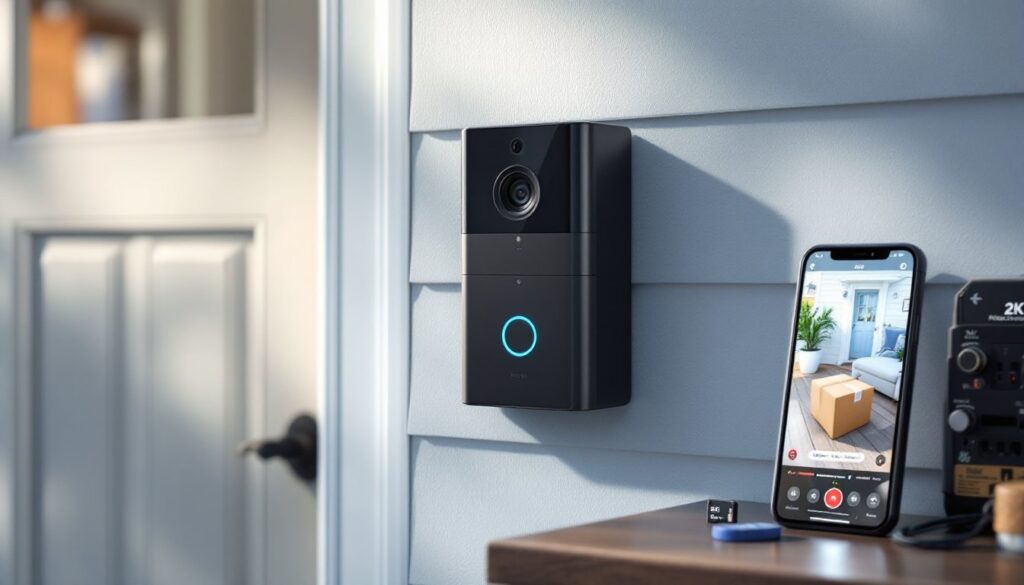
Smart doorbells have become a must-have for home security, but recurring subscription fees can add hundreds of dollars to the cost over just a few years. Fortunately, several high-quality models store video locally or offer cloud storage at no monthly charge. This guide covers the best subscription-free smart doorbells available in 2026, tested for reliability, storage options, and installation simplicity. Whether upgrading from a traditional doorbell or replacing a subscription-dependent model, these options deliver security without the recurring cost.
Table of Contents
ToggleKey Takeaways
- A subscription-free smart doorbell eliminates recurring monthly fees of $3–$10 per camera, saving $180–$600 over five years compared to subscription-based models.
- Top no-subscription options like Reolink, Eufy, and TP-Link Tapo store footage locally on microSD cards or built-in storage, delivering 2K resolution, motion alerts, and two-way audio without cloud fees.
- Choose a smart doorbell without subscription if you want data privacy—local storage keeps footage on your network rather than third-party servers, reducing breach and surveillance risks.
- Hardwired doorbells powered by existing 8–24V AC circuits provide the most reliable performance, while battery models offer easier installation but require recharging every 4–6 months.
- Proper installation—including voltage verification, weatherproofing (IP65+ rating), optimal mounting height of 48–52 inches, and WiFi signal testing—ensures clear face capture and reliable motion detection without technical issues.
Why Choose a Smart Doorbell Without a Subscription?
Monthly fees for cloud video storage typically range from $3 to $10 per camera, which compounds fast if you’re running multiple devices. Over five years, a single doorbell subscription can cost $180 to $600, often more than the device itself.
Subscription-free doorbells eliminate that recurring expense by storing footage locally on microSD cards or offering limited free cloud storage. They still deliver live video, motion alerts, and two-way audio, but ownership costs stop at the purchase price and occasional storage card replacement.
Another advantage: data privacy. Local storage keeps footage on your network rather than a third-party server, reducing exposure to data breaches or subpoenas. Some models also work during internet outages if they’re hardwired to your home’s doorbell circuit.
There are trade-offs. Free cloud plans typically limit retention to a few days or cap the number of saved clips. Advanced features like person detection, activity zones, or rich notifications may require paid tiers. But for homeowners who want basic package monitoring and visitor alerts without ongoing fees, no-subscription models are a practical choice.
Top Smart Doorbells That Don’t Require Monthly Fees
Reolink Video Doorbell: Best Overall Value
The Reolink Video Doorbell (WiFi or PoE) records 2K resolution video to a microSD card up to 256 GB, which stores roughly two weeks of motion-triggered clips before looping. It supports dual-band WiFi or Power over Ethernet for hardwired reliability.
Two-way audio quality is clear, and the 160-degree field of view captures most porches without fisheye distortion. Motion detection zones are adjustable through the Reolink app, reducing false alerts from passing cars or sidewalk traffic.
Installation is straightforward if you have existing doorbell wiring (8–24V AC). The PoE version requires running Cat5e/Cat6 cable to a network switch, which adds complexity but eliminates WiFi dropout issues. No hub required, the doorbell connects directly to your router.
Reolink offers optional cloud storage, but the base functionality works indefinitely without it. The device costs around $80–$130 depending on the model, and replacement microSD cards run $15–$40.
Eufy Video Doorbell: Best for Local Storage
Eufy’s Dual Camera Doorbell includes 8 GB of built-in storage and records up to three months of clips without a card or subscription. The dual-camera setup captures both the visitor and any packages left at the doorbell’s base, a unique feature that security cameras without subscriptions are increasingly adopting.
Video resolution hits 2K on the main lens and 1080p on the package cam. The HomeBase 2 hub (included with most kits) stores footage locally and supports up to 16 TB via external hard drive. This makes it a solid choice for multi-device setups.
The doorbell works with Alexa and Google Assistant for voice announcements. Installation requires existing low-voltage wiring or a plug-in chime adapter. Eufy’s app is intuitive, and activity zones reduce false positives.
One caveat: the HomeBase must stay connected to power and your router. If the hub goes offline, so does your storage. Eufy occasionally offers firmware updates that add features like pet detection, but core functionality remains subscription-free. Expect to pay $160–$200 for the doorbell and hub bundle.
TP-Link Tapo Doorbell: Best Budget Option
The TP-Link Tapo D230S1 kit includes the doorbell and a wireless chime hub with a microSD slot up to 512 GB. Video records at 2K resolution, and the 180-degree vertical view captures head-to-toe footage, useful for spotting porch pirates.
The chime hub doubles as local storage, so no separate NVR or cloud plan is required. Motion alerts are customizable, and the app supports up to four user accounts for family sharing.
Installation is battery-powered (rechargeable via USB-C) or hardwired to existing doorbell wiring. Battery life averages 4–6 months on a charge depending on traffic. The chime plugs into any standard outlet and pairs automatically.
TP-Link’s app lacks some polish compared to Eufy or Reolink, zone drawing is less precise, and the interface feels utilitarian. But for $100–$120, it’s hard to beat the value. The company has a track record of long-term firmware support, which matters for security devices.
Key Features to Look for in Subscription-Free Doorbells
Video Resolution and Field of View
Aim for at least 1080p resolution. 2K or higher helps with identifying faces or reading package labels. Field of view should be 140–180 degrees to cover porches and steps without blind spots. Avoid models with excessive fisheye distortion, it makes motion detection less accurate.
Local Storage Capacity
MicroSD cards up to 256 GB are standard and affordable. Higher capacities (512 GB) work if the firmware supports them, but check compatibility first. Built-in storage (like Eufy’s 8 GB) is convenient but limited, plan for external drives if you’re archiving long-term.
Power Options
Hardwired doorbells tap into existing 8–24V AC circuits and never need charging. Battery models offer flexibility but require recharging every few months. PoE models need Ethernet cabling but provide the most stable connection. If your home lacks doorbell wiring, battery or plug-in chime models are the easiest retrofit.
Motion Detection and Alerts
Adjustable activity zones reduce false alerts from trees, cars, or sidewalk foot traffic. Some models offer person detection without a subscription, though accuracy varies. Push notifications should be instant, delays of more than a few seconds defeat the purpose.
Integration and Smart Home Compatibility
Most subscription-free doorbells work with Alexa or Google Assistant for voice announcements. HomeKit support is rarer but available on select models. If you’re running a multi-device security setup, check whether the doorbell integrates with your existing cameras or NVR.
Night Vision and Audio Quality
Infrared LEDs should illuminate at least 10–15 feet for clear nighttime footage. Two-way audio needs echo cancellation and noise reduction, cheap models often sound tinny or garbled. Test the audio during daylight before relying on it for nighttime visitor screening.
Many homeowners upgrading to smart home systems find that connected home devices offer better integration when they avoid vendor lock-in through subscription services.
Installation Tips for DIY Homeowners
Integration with existing smart home ecosystems allows doorbells to trigger lights, locks, or cameras. Platforms like Digital Trends regularly test compatibility across Alexa, Google, and Apple ecosystems, helpful if you’re building a unified system.
Weatherproofing and Build Quality
Look for an IP65 rating or higher. Doorbells face rain, snow, and temperature swings from -4°F to 122°F in most climates. Cheap plastic housings crack in freeze-thaw cycles. Metal faceplates and reinforced mounting brackets resist tampering and theft.
Check Existing Wiring
If you have a traditional wired doorbell, locate the transformer (usually in the basement, garage, or near the breaker panel). Confirm the voltage with a multimeter, most smart doorbells need 16–24V AC. Transformers rated below 16V won’t provide enough power and may cause reboots or connectivity issues.
If your transformer is underpowered, replace it. A 16V, 30VA transformer costs $15–$25 and installs in about 20 minutes. Turn off the breaker before touching any wiring. Low-voltage doorbell circuits aren’t subject to NEC Article 210 receptacle rules, but local codes may require a licensed electrician for transformer replacement.
Mounting and Positioning
Mount the doorbell at 48–52 inches from the ground for optimal face capture. Angled mounting wedges (included with many kits) tilt the camera down if your doorbell sits above standard height.
Use the provided anchors and screws for siding, brick, or stucco. Pre-drill holes to avoid cracking fiber cement or splitting wood trim. If mounting on metal siding, self-tapping screws work better than anchors.
WiFi Signal and Network Prep
Doorbell locations, especially on metal or brick, often sit in WiFi dead zones. Run a signal test with your phone before installation. If signal strength is weak, consider a WiFi extender or a mesh node within 20–30 feet.
Most doorbells require 2.4 GHz WiFi, not 5 GHz. Disable band steering or create a dedicated 2.4 GHz SSID to avoid connection loops during setup.
Chime Compatibility
Mechanical chimes (the kind with a physical striker) usually work with smart doorbells, but digital chimes may hum or fail. If you hear buzzing after installation, add a resistor or capacitor kit (often included) in parallel with the chime. Alternatively, disable the existing chime and use the doorbell’s app alerts or a wireless chime hub.
Safety and Permits
Low-voltage doorbell wiring doesn’t require a permit in most jurisdictions, but transformer replacement might if it involves opening the breaker panel. Check local codes.
Wear safety glasses when drilling into masonry, brick dust and concrete chips fly. Use a GFCI-protected outlet if powering a chime hub or charging station in a damp location.
Testing and Troubleshooting
After installation, test motion detection at various distances and angles. Walk the perimeter and confirm the activity zones trigger correctly. Check night vision by covering the lens and verifying infrared LEDs activate.
If video is choppy or delayed, reboot your router and doorbell. Persistent issues usually trace back to weak WiFi or insufficient transformer voltage. A doorbell pro power kit (available for $10–$15) can stabilize voltage if you’re not ready to replace the transformer.