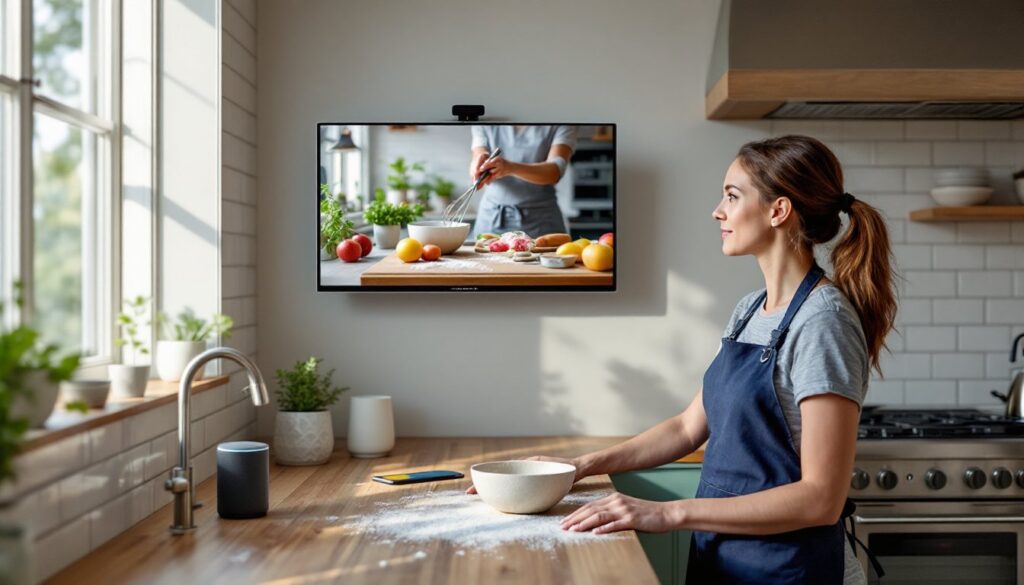
Adding a smart TV to your kitchen isn’t just about catching up on cooking shows while you dice onions, it’s about transforming your workspace into a multitasking hub. Whether you’re following along with a recipe video, streaming music through your favorite app, or keeping tabs on the news during breakfast, a compact smart TV fits the bill without eating up valuable counter or wall space. The right model delivers smart features, voice control, and connectivity without the bulk of a living room screen. This guide walks through what matters when choosing a kitchen TV and highlights the top contenders for 2026.
Table of Contents
ToggleKey Takeaways
- A small smart TV for kitchen use (19–32 inches) combines hands-free voice control, built-in streaming apps, and space-saving design without the bulk or power consumption of larger living room screens.
- The Amazon Fire TV 2-Series 24-inch model leads the market as the best overall small smart TV, offering 720p resolution, dual HDMI ports, Alexa integration, and reliable streaming performance at kitchen viewing distances.
- Key features to prioritize include a robust smart platform (Roku or Fire TV), built-in voice control with microphones, matte anti-glare screens, and proper ventilation to handle kitchen heat and humidity.
- Mount your kitchen smart TV at 48–54 inches from the floor into wall studs, at least 24 inches from the cooktop, and use a tilting bracket to reduce glare and neck strain during meal prep.
- Integrate your kitchen TV with your smart home ecosystem through voice assistants, routines, and screen mirroring to automate cooking tasks, display doorbell feeds, and stream recipes hands-free.
Why a Small Smart TV Is Perfect for Your Kitchen
Kitchens demand efficiency, and a small smart TV (typically 19 to 32 inches) delivers functionality without monopolizing space. Unlike tablets propped on a stand or smartphones squinting through splattered screens, a dedicated TV offers better visibility from across the room, crucial when you’re mid-recipe and your hands are covered in flour.
Smart capabilities mean no need for extra streaming boxes or HDMI dongles cluttering your backsplash. Built-in platforms like Roku TV, Fire TV, or Google TV give instant access to YouTube cooking tutorials, Netflix, Spotify, and even video calling apps. Voice control through Alexa, Google Assistant, or proprietary systems lets you pause, rewind, or change volume hands-free, a game-changer when working with raw chicken.
Smaller screens also mean lower power consumption (typically 30–60 watts during use) and lighter weight for easier mounting. Most models under 32 inches weigh between 8 and 15 pounds, well within the load capacity of standard drywall anchors when mounted to studs. You’re not dealing with a 55-inch beast requiring reinforced blocking.
Finally, kitchens aren’t primary viewing spaces. You don’t need 4K resolution or HDR when you’re glancing up from a cutting board. A 720p or 1080p panel at 24 inches delivers perfectly clear images at typical kitchen viewing distances (4 to 8 feet). Save the premium specs, and budget, for the living room.
Key Features to Look for in a Kitchen Smart TV
Not all compact TVs are built for kitchen duty. Here’s what separates a solid choice from a countertop paperweight.
Smart Platform Compatibility
Choose a TV with a robust, frequently updated platform. Roku TV and Amazon Fire TV lead in app selection and ease of use. Google TV offers deeper integration with Nest devices and Chromecast. Avoid proprietary platforms from no-name brands, they often lack app support and receive infrequent updates.
Voice Control
Hands-free operation isn’t optional in a kitchen. Look for built-in Alexa or Google Assistant. Some models require a separate smart speaker: others have microphones in the remote or the TV itself. Test voice wake-word functionality, cheaper sets sometimes need you to press a button first, which defeats the purpose.
Durability and Heat Resistance
Kitchens get hot, greasy, and humid. While no consumer TV is rated for commercial kitchen environments, models with ventilation slots on top and sides handle heat better than those with rear-only vents. Avoid placing any TV directly above a range or cooktop, ambient heat and grease will shorten its lifespan. A placement near the range hood or on a perpendicular wall is smarter.
Connectivity Options
You’ll want at least two HDMI ports (one for streaming devices or gaming consoles if the smart platform disappoints), USB input for playing media from a thumb drive, and Wi-Fi 5 (802.11ac) or newer. Ethernet isn’t critical in a kitchen, but it’s nice for stable streaming if your router is nearby. Bluetooth allows pairing with wireless speakers when integrated smart cookware sensors alert you through connected apps.
Screen Finish
Matte or anti-glare screens reduce reflection from overhead lighting and windows. Glossy panels look sharp in showrooms but turn into mirrors under kitchen LED downlights.
Mounting Flexibility
Most small smart TVs use VESA 75x75mm or 100x100mm mounting patterns. Confirm compatibility with the bracket you plan to use. Some ultra-budget models lack VESA mounting entirely, forcing you into a countertop stand.
Top 5 Small Smart TVs for Kitchens in 2026
After evaluating dozens of models for kitchen-specific needs, these five stand out for reliability, feature set, and real-world performance.
Best Overall: 24-Inch Smart TV with Voice Control
The Amazon Fire TV 2-Series (24-inch) dominates this category for good reason. It’s a true smart TV, no external box required, with Fire TV software built in, offering access to all major streaming apps plus free channels through Amazon’s Freevee service.
Voice control works through the included Alexa Voice Remote (press-to-talk) or any paired Echo device for hands-free operation. The 720p resolution looks crisp at kitchen distances, and the interface is responsive enough that you won’t throw the remote in frustration. Two HDMI 1.4 ports and one USB 2.0 port handle additional devices. VESA 75x75mm mounting makes installation straightforward with a standard low-profile bracket.
It draws about 30 watts during typical use and weighs just 7.5 pounds without the stand, easy to mount solo. Reviews from independent testing groups consistently rate Fire TV models high for streaming performance and app selection, which matters more in a kitchen than picture quality benchmarks.
Downsides? The speakers are serviceable but tinny at high volume. Pair it with a Bluetooth speaker or soundbar if you’re using it for music. And like all Fire TV devices, the interface pushes Amazon content aggressively, but you can customize the home screen to prioritize your preferred apps.
Best Budget-Friendly Option: Compact Smart Display
The Insignia 24-inch F20 Series Fire TV (Best Buy’s house brand) typically retails for $30–$50 less than name-brand equivalents while delivering nearly identical specs. It’s also a Fire TV Edition, meaning the same platform, same app ecosystem, and same Alexa integration as pricier options.
You get 720p resolution, three HDMI ports (a rarity at this size), and a decent remote. Build quality feels slightly cheaper, more plastic, less metal, but for a kitchen TV that’s rarely touched once mounted, it’s a non-issue. Weight is about 8 pounds, still well within easy DIY mounting range.
This model frequently appears on curated lists for small spaces because it punches above its price point. Just don’t expect premium panel uniformity or wide viewing angles. From directly in front (normal kitchen use), it’s fine. From extreme side angles, colors wash out, but you’re not hosting movie night in the kitchen anyway.
Where to Mount Your Kitchen Smart TV for Optimal Viewing
Placement makes or breaks a kitchen TV install. Mount it wrong, and you’ll strain your neck or never use it.
Height and Angle
Aim for the center of the screen at 48 to 54 inches from the finished floor, roughly eye level when standing. If you spend more time sitting at a kitchen island or breakfast bar, drop that to 42 to 48 inches. Use a tilting mount (not fixed-flat) so you can angle the screen down slightly, reducing glare from overhead lights and giving a better view when standing at the counter.
Distance from Work Zones
Keep the TV at least 24 inches away from the cooktop or range. Grease splatter, heat, and steam are TV killers. A spot on a perpendicular wall, above a breakfast nook bench, or on the side of an upper cabinet run works well. Avoid mounting directly over the sink, moisture and electrical devices don’t mix, and you’ll be staring at the screen with your head tilted back while doing dishes.
Stud Mounting Is Non-Negotiable
Even a lightweight 24-inch TV needs to anchor into a stud, not just drywall. Use a stud finder to locate framing (typically 16 inches on center). If the ideal viewing spot doesn’t line up with a stud, use a mounting plate that spans two studs, or install a piece of ¾-inch plywood backing between the drywall and mount, screwed into studs on both sides.
For tile backsplashes, drill pilot holes with a carbide-tipped masonry bit and use sleeve anchors rated for the combined weight of the mount and TV (with a safety margin, if the TV weighs 10 pounds, use anchors rated for at least 30 pounds total). Always wear safety goggles when drilling tile to avoid flying chips.
Cable Management
Run power and HDMI cables through an in-wall cable kit (about $15–$25) for a clean look. These kits include low-voltage brush plates that meet National Electrical Code (NEC) Article 400 standards for in-wall wiring. Do not run a standard power cord inside the wall, that’s a code violation and a fire hazard. If the outlet isn’t behind the TV, hire an electrician to add one. It’s a simple job (usually under $150) and makes the install look professional.
How to Integrate Your Kitchen TV with Smart Home Devices
A kitchen TV becomes exponentially more useful when it talks to the rest of your smart home setup.
Voice Ecosystem Sync
If you’ve already invested in Amazon Echo devices, a Fire TV model is the obvious choice, you can control it via any Echo in the house. Same logic applies to Google Nest users with Google TV sets. Unified ecosystems mean you can say “play the pasta recipe from Bon Appétit” to your smart display, and it’ll queue up on the TV.
Most smart TVs also support Matter, the new universal smart home standard rolling out in 2025–2026. Matter allows cross-platform control, so an Apple HomeKit user could theoretically control a Google TV. Check product specs to confirm Matter certification if you’re running a mixed ecosystem.
Smart Hub Routines
Set up routines in the Alexa or Google Home app to automate your kitchen TV. Examples: “Good morning” turns on the TV to a news channel and your coffee maker. “Dinner time” dims smart bulbs and queues a cooking playlist. If you’ve got a smart doorbell, you can push its video feed to the TV when someone rings, handy when your hands are wet.
Streaming from Other Devices
All the recommended models support screen mirroring via Chromecast (Google TV), AirPlay (select models), or Fire TV’s Miracast. Pull up a recipe on your phone and cast it to the TV without fumbling with a remote. This also works for video calls, prop your phone on the counter and mirror to the larger screen for easier family FaceTime while prepping dinner.
Integration with Smart Kitchen Appliances
Some newer smart ovens, refrigerators, and ranges have companion apps that can display on smart TVs through screen mirroring or dedicated channels. For example, certain Wi-Fi-enabled ovens let you monitor cook time and internal temperature on a TV dashboard. It’s niche, but if you’re deep into smart appliances, confirm your TV’s platform supports the relevant apps. Many modern cooks exploring connected kitchen solutions appreciate the centralized control a smart TV enables.
Network Considerations
Kitchens are often Wi-Fi dead zones, especially in homes with plaster walls or metal-backed tile. If your TV stutters during streaming, add a Wi-Fi 6 mesh node nearby or run an Ethernet cable through the wall during install (future-proofs the setup). Buffering mid-recipe is the fastest way to abandon your new TV entirely.