In a world where tech is getting smarter and our wrists are getting fancier, smart wearable integration is the new frontier. Imagine a life where your watch not only tells time but also tracks your heart rate, reminds you to breathe, and even tells you when to stop binge-watching your favorite series. It’s like having a personal assistant that fits snugly on your wrist and doesn’t require coffee breaks!
As these devices become more interconnected, they’re not just gadgets; they’re lifestyle companions. Whether it’s your smartwatch syncing with your fitness tracker or your glasses alerting you about important notifications, smart wearables are revolutionizing how we interact with technology. Dive into this exciting realm where fashion meets functionality, and discover how these innovations can simplify life while keeping you stylishly ahead of the curve.
Table of Contents
ToggleOverview of Smart Wearable Integration
Smart wearables integrate seamlessly into everyday life. These devices, equipped with advanced technology, provide functionalities that go beyond tracking. Heart rate monitoring, fitness tracking, and notifications enhance the user experience significantly.
Integration occurs across a range of platforms and systems. Synchronization with smartphones allows users to receive real-time updates directly on their wrist. Data collected from wearables feeds into health apps, enabling users to monitor their progress towards fitness goals.
Fashion meets functionality in smart wearables. A diverse array of designs appeals to various lifestyles and preferences. Users find options that suit both everyday wear and special occasions, ensuring style does not compromise utility.
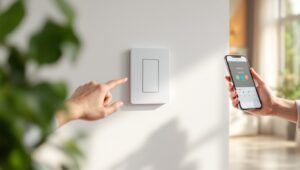
Connectivity remains a core feature of these devices. Many wearables support Bluetooth and Wi-Fi, facilitating communication with other smart devices. This interconnectivity also plays a role in the growing ecosystem of smart homes, where wearables can control lights and thermostats.
Health monitoring capabilities keep evolving. Devices now offer features such as sleep tracking and stress management tools. Users gain insights that empower them to make informed lifestyle choices, promoting overall well-being.
The future of smart wearable integration looks promising. New innovations in battery life and materials enhance durability and convenience. Users eagerly await advancements that will further elevate the smart wearable experience.
Key Technologies in Smart Wearable Integration
Smart wearables leverage several key technologies to enhance user experience and functionality. These innovations facilitate real-time data collection and seamless device communication.
Sensor Technologies
Sensor technologies play a crucial role in smart wearables. Heart rate sensors provide accurate monitoring of cardiovascular health, while accelerometers track movement and activity levels. Gyroscopes enhance motion detection, enabling features like gesture control. Temperature sensors monitor body temperature, contributing to health management. These devices utilize advanced algorithms to analyze collected data, offering insights into daily activities and wellness. Furthermore, the integration of biometric sensors allows for personalized experiences, adapting the device’s functionality to individual user needs.
Connectivity Options
Connectivity options significantly impact the effectiveness of smart wearables. Bluetooth enables quick pairing with smartphones, ensuring instant access to app notifications and alerts. Wi-Fi connectivity allows for seamless software updates and the synchronization of data across devices. Cellular connectivity improves independence, allowing wearables to function without the need for a paired phone. NFC technology supports contactless payments, ensuring convenience in daily transactions. These connectivity features form the backbone of smart ecosystem integration, allowing devices to communicate efficiently and enhancing user experience.
Benefits of Smart Wearable Integration
Smart wearable integration provides numerous benefits, enhancing daily routines and promoting healthier lifestyles.
Health and Fitness Tracking
Health tracking features significantly contribute to user well-being. Smart wearables monitor heart rate, steps, and sleep patterns with high accuracy. These devices collect data, providing insights that empower users to make informed health decisions. Users can set fitness goals and receive real-time feedback on their progress. Integration with health apps allows for personalized coaching and tailored workouts, maximizing effectiveness. With consistent tracking, individuals can identify trends, helping them improve their fitness levels over time.
Enhanced User Experience
Enhanced user experiences stem from intuitive designs and seamless functionality. Smart wearables offer instant notifications, reducing the need to check smartphones frequently. Users can customize settings to prioritize alerts for calls, messages, and appointments. Many wearables integrate voice assistants, enabling hands-free control and effortless task management. This integration streamlines everyday activities, fostering a more connected lifestyle. Additionally, user-friendly interfaces allow individuals to navigate features easily, making technology accessible to everyone.
Challenges of Smart Wearable Integration
Smart wearable integration faces several challenges that impact user experience and data connectivity.
Privacy and Security Concerns
Privacy and security hold significant importance in smart wearables. These devices often gather sensitive data, including health metrics and personal behaviors. If such information falls into the wrong hands, it may lead to identity theft or privacy breaches. Data encryption and secure transmission methods remain crucial for protecting user information. Users also require transparency about how their data is collected, stored, and utilized. Regulations like GDPR provide guidelines for data privacy, emphasizing the necessity for manufacturers to comply. Ensuring robust security measures can help build consumer trust, making privacy a top priority in device design.
Interoperability Issues
Interoperability presents a notable obstacle in smart wearable integration. Various manufacturers create devices that may not work seamlessly with each other. Users often experience difficulties when trying to connect wearables with different platforms or applications. Standardized protocols can address these challenges, providing the foundation for smoother interaction. Products that lack compatibility can frustrate users, leading to a disconnect in their smart ecosystem. Companies must invest in developing solutions that enhance device communication while fostering collaboration within the tech community. Improved interoperability can significantly elevate the overall user experience, ensuring devices work harmoniously together.
Future Trends in Smart Wearable Integration
Emerging technologies continually reshape smart wearable integration, driving innovations across various sectors. Wearables increasingly incorporate advanced artificial intelligence, enabling devices to provide personalized insights based on user behavior. Users can expect smarter fitness tracking that adapts to their routines, making suggestions that enhance health outcomes.
Integration with health systems expands as wearables gather detailed health data. This data, shared with healthcare providers, improves remote monitoring and facilitates timely interventions. Health apps now leverage wearables to analyze long-term trends, helping users and professionals make informed decisions.
Augmented reality is being integrated into smart wearables, transforming how users interact with their environment. With AR glasses, people will soon experience immersive navigation and enhanced information overlays seamlessly integrated into their daily lives. Furthermore, smart fabrics are gaining traction, enabling clothing to track biometrics without additional devices. This shift toward invisible technology merges functionality with everyday fashion.
Battery technology advancements significantly contribute to the sustainability of wearables. Longer-lasting batteries allow users to rely on devices for extended periods without frequent recharging. Solar charging capabilities are also under development, further extending usability in diverse scenarios.
Privacy protection measures are evolving alongside increased integration. Manufacturers are adopting cutting-edge encryption methods to secure data effectively. Users benefit from these advancements, fostering a sense of trust with the products they use.
Interoperability challenges remain, yet stakeholders are working collaboratively to create standardized protocols. Developers and manufacturers are prioritizing compatibility across different device ecosystems. These initiatives aim to enhance user experiences, ensuring seamless communication between multiple devices. As the landscape evolves, smart wearables will play an even more significant role in connected lifestyles and personal health management.
Smart wearable integration is transforming how individuals approach daily life. These devices not only offer health tracking and notifications but also enhance overall well-being and connectivity. As technology continues to evolve, wearables will likely become even more essential in promoting healthier lifestyles and simplifying routines.
The future holds exciting possibilities with advancements in AI, augmented reality, and sustainable materials. While challenges like privacy and interoperability persist, ongoing efforts aim to create a more cohesive ecosystem. Embracing smart wearables means stepping into a more connected and informed lifestyle, where technology seamlessly blends with everyday activities.