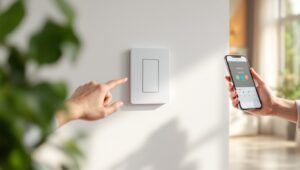
In a world where water is as precious as gold, smart irrigation scheduling is the superhero every garden needs. Gone are the days of haphazard watering routines that leave plants either parched or drowning. With a sprinkle of technology and a dash of intelligence, this innovative approach ensures that every drop counts, making green thumbs everywhere rejoice.
Imagine your garden thriving while you sip lemonade on the porch, knowing your plants are getting just the right amount of hydration. Smart irrigation scheduling takes the guesswork out of watering, using data and weather forecasts to keep plants happy and healthy. It’s like having a personal gardener who never sleeps and always knows what your plants need—without the awkward small talk. So, let’s dive into how this game-changing method can transform your gardening experience and save you both time and money.
Table of Contents
ToggleOverview of Smart Irrigation Scheduling
Smart irrigation scheduling optimizes water usage in gardening, ensuring plants receive adequate hydration based on specific needs. This innovative approach represents a shift toward more efficient watering methods.
Definition and Importance
Smart irrigation scheduling refers to the use of technology and data to determine the most effective times and amounts of water for plant health. By analyzing environmental variables like soil moisture, weather forecasts, and plant types, this method tailors irrigation schedules. Importance lies in its ability to conserve water and reduce costs, making irrigation practices more sustainable. It responds to real-time data, which helps gardeners avoid both overwatering and underwatering issues. Enhancing plant health contributes to better growth and yields while promoting responsible resource management.
How It Works
Smart irrigation systems operate by integrating sensors, weather data, and software applications. Sensors placed in the soil measure moisture levels and relay information to a central system. This system analyzes local weather forecasts to adjust watering schedules accordingly. When conditions indicate rain, the irrigation system may delay or cancel scheduled watering. Adjustments to watering frequency and duration ensure optimal hydration without waste. Users often access control options via mobile applications, allowing for remote management and monitoring. As a result, smart irrigation systems enhance the gardening experience while improving water efficiency.
Benefits of Smart Irrigation Scheduling
Smart irrigation scheduling offers significant advantages, particularly in water conservation and cost savings for gardeners.
Water Conservation
Water conservation stands as a primary benefit of smart irrigation scheduling. Smart irrigation systems utilize sensors to assess soil moisture levels, ensuring plants receive only the necessary hydration. By analyzing current weather conditions, these systems adjust watering schedules dynamically. This proactive approach minimizes water waste and reduces runoff, preserving valuable natural resources. Studies indicate that smart irrigation can save up to 50% of water compared to traditional methods. Gardens thrive with the right balance of moisture, leading to healthier plants and sustainable gardening practices.
Cost Savings
Cost savings represent another compelling advantage of smart irrigation scheduling. Reduced water usage translates directly into lower utility bills, benefiting homeowners financially. Smart systems optimize water application, decreasing the frequency and volume of irrigation. Users can program schedules that align with specific plant needs while avoiding overwatering. Technology-driven solutions can even forecast rainfall, allowing gardens to adjust automatically without additional water costs. By investing in smart irrigation, gardeners often recoup expenses quickly through these savings, promoting a cost-effective and efficient gardening experience.
Technologies Used in Smart Irrigation Scheduling
Smart irrigation scheduling relies on various technologies to enhance efficiency and performance. These systems utilize advanced tools that help optimize water usage and improve plant health.
Sensors and IoT Devices
Sensors play a crucial role in smart irrigation, measuring parameters like soil moisture, temperature, and humidity. These devices collect real-time data to inform irrigation schedules, ensuring plants receive the necessary hydration. Internet of Things (IoT) devices connect these sensors to digital platforms, enabling seamless communication between systems. Notifications alert users about soil conditions, allowing for timely adjustments. Smart meters can track water usage and detect leaks, promoting responsible resource management. By analyzing data from these sensors, gardeners can optimize their watering practices based on specific needs.
Software and Automation
Software applications facilitate the automation of irrigation management. These programs analyze data gathered from sensors and weather forecasts to create customized watering schedules. Users can access these applications through mobile devices, providing convenience and control. Automation reduces the likelihood of overwatering, ensuring plants thrive while conserving water. Moreover, cloud-based solutions enhance collaboration, allowing multiple users to manage irrigation systems from different locations. Integration with local weather data enables automatic adjustments, reducing manual intervention. This technology ultimately streamlines the gardening process, promoting efficiency and sustainability.
Challenges and Limitations
Smart irrigation scheduling faces various challenges and limitations that may affect its implementation and effectiveness.
Initial Setup Costs
Initial setup costs can be significant for smart irrigation systems. Investing in sensors, controllers, and Wi-Fi connectivity incurs a financial burden. For example, an advanced system may range between $1,500 to $3,000, depending on the size of the garden. These upfront costs may discourage some gardeners from adopting smart technologies. Nevertheless, long-term savings from reduced water bills and improved plant health can offset the initial investments. Financial incentives or discounts from local water authorities may also ease these costs, encouraging wider adoption.
Dependence on Technology
Dependence on technology poses another challenge for smart irrigation systems. A reliable internet connection is essential for remote monitoring and control of irrigation schedules. If connectivity issues arise, users may encounter difficulties in managing their systems effectively. Additionally, users must stay updated with software applications, as outdated versions can hinder functionality and efficiency. Training on system operations may also be necessary for gardeners unfamiliar with technology. Despite these hurdles, once mastered, smart irrigation systems simplify gardening and promote efficient water usage.
Future Trends in Smart Irrigation Scheduling
Emerging developments are crucial in shaping the future of smart irrigation scheduling. Innovations in technology and sustainable practices are transforming how gardeners approach water usage.
Advancements in Technology
Cloud computing plays a significant role in modern smart irrigation systems. These systems gather vast amounts of data, including soil moisture, weather patterns, and plant health metrics. Connectivity with IoT devices enhances precision, allowing real-time adjustments based on immediate environmental conditions. Various platforms are now incorporating artificial intelligence to refine irrigation strategies further, leading to improved accuracy and performance. Enhanced mobile applications provide users with intuitive interfaces for managing their systems effectively. These technological advancements promote efficiency in water use and support more responsive gardening practices.
Sustainable Practices
Sustainable gardening practices are increasingly vital in today’s world. As water scarcity becomes a pressing issue, smart irrigation scheduling aligns perfectly with eco-friendly initiatives. Utilizing data-driven techniques helps gardeners conserve water significantly. Reports indicate that adopting these practices can lead to water savings of up to 50%, simultaneously minimizing environmental impact. Additionally, integrating renewable energy sources within irrigation systems enhances sustainability further. Smart irrigation not only leads to healthier plants but also encourages responsible resource management and contributes to community efforts in preserving local ecosystems.
Smart irrigation scheduling stands as a transformative approach to gardening. By leveraging technology and data, it not only conserves water but also enhances plant health and growth. Gardeners who adopt this method can enjoy significant cost savings while contributing to sustainable practices.
As advancements in technology continue to evolve, the future of smart irrigation looks promising. With the integration of artificial intelligence and cloud computing, these systems will become even more efficient and user-friendly. Embracing smart irrigation is not just a trend; it’s a commitment to responsible resource management and a healthier environment.