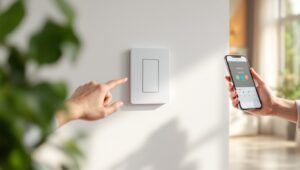
TELUS Smart Home has carved out a solid niche in Canada’s home security market, offering professionally monitored systems with straightforward installation and decent smart home integration. But is it the right fit for your household in 2026? With competition heating up and DIY systems flooding the market, Canadian homeowners need to weigh the costs, features, and support against newer alternatives. This guide breaks down what TELUS Smart Home actually delivers, equipment, pricing, monitoring, and installation, so you can decide if it’s worth the investment or if you’re better off exploring other options.
Table of Contents
ToggleKey Takeaways
- TELUS Smart Home offers professionally monitored security with cellular backup and no reliance on Wi-Fi, making it reliable for rural properties and areas prone to internet outages.
- The system requires a three-year monitoring contract with early termination fees, though promotional pricing and flexible month-to-month options exist for homeowners seeking flexibility.
- TELUS Smart Home supports Z-Wave integration for third-party devices like smart locks and thermostats, but lacks native compatibility with Apple HomeKit, Google Assistant, or Alexa.
- Installation is straightforward with DIY options available at no cost, though professional setup is recommended for systems with cameras and smart locks that may require additional service charges.
- Monthly monitoring costs range from $35 to $55 CAD with equipment expenses typically between $0 to $500 upfront, positioning TELUS competitively between budget DIY systems and premium alternatives.
- Canadian-based 24/7 monitoring with English and French support provides peace of mind, though the mobile app lacks advanced automation features compared to newer competitors like Ring or SimpliSafe.
What Is TELUS Smart Home and How Does It Work?
TELUS Smart Home is a professionally monitored security and home automation service available to Canadian homeowners and renters. The system relies on cellular communication to connect sensors, cameras, and control panels to a central monitoring station, no landline or broadband connection required. This makes it a solid choice for rural properties or anyone who wants a backup if their Wi-Fi goes down.
At its core, the system uses a touchscreen control panel as the hub, typically mounted near the main entry. From there, wireless sensors cover doors, windows, and motion zones. When an alarm triggers, the signal goes directly to TELUS’s 24/7 monitoring center in Canada. If they can’t reach you, they’ll dispatch emergency services.
The system integrates with the TELUS Smart Home app, which lets users arm or disarm the system remotely, view live camera feeds, and control compatible smart devices. It’s built on a Z-Wave platform, which supports a wide range of third-party devices like smart locks, thermostats, and lights. The app is straightforward, no steep learning curve, but it’s not as polished or feature-rich as offerings from newer competitors like Ring or SimpliSafe.
One key consideration: TELUS Smart Home requires a monthly monitoring contract, typically with a three-year commitment. There’s no DIY monitoring option or self-managed mode. If you’re someone who prefers flexibility or wants to avoid long-term contracts, this might be a sticking point. On the flip side, professional monitoring means someone’s always watching, which can be reassuring if you travel frequently or have a vacation property.
Key Features and Equipment Options
TELUS offers a modular approach: you start with a base package and add components based on your needs. The standard starter kit includes a control panel, door/window sensors, a motion detector, and a key fob. From there, you can layer on cameras, environmental sensors (smoke, CO, flood), smart locks, and automation devices.
Smart Cameras and Video Monitoring
TELUS provides both indoor and outdoor cameras with 1080p resolution, night vision, and two-way audio. The outdoor models are weatherproof (IP65 rated) and can handle Canadian winters without issue. Video storage requires a separate cloud plan, recorded clips are stored for 30 days on the standard plan, though you can upgrade for longer retention.
One limitation: the cameras integrate with the TELUS ecosystem but don’t play as nicely with third-party platforms like Google Home or Apple HomeKit. If you’re deep into another smart home ecosystem, expect some friction. The video quality is decent, though not as sharp as dedicated camera brands like Arlo or Nest. For basic perimeter monitoring and package detection, they get the job done.
Cameras can trigger automation rules, for example, turning on lights when motion is detected after sunset. The system also supports geofencing, so your cameras can activate automatically when you leave a defined area. That said, the app’s automation builder is pretty basic. Power users looking for complex routines might find it limiting. Those exploring home automation ideas beyond security may want to supplement with additional smart hubs.
Home Automation and Smart Device Integration
Beyond security, TELUS Smart Home supports Z-Wave-compatible devices, thermostats, door locks, garage door controllers, light switches, and plugs. This opens the door to energy management and convenience features. For instance, you can set the thermostat to drop when you arm the system in “Away” mode, or unlock the front door remotely for a trusted visitor.
The smart locks work well and integrate directly with the alarm system. Arming the system can automatically lock doors, and disarming can unlock them. It’s a nice touch for households juggling kids, pets, and deliveries. But, installation of smart locks and thermostats often requires a professional, TELUS techs can handle it, but expect an additional service charge.
Integrating smart plug systems lets you control lamps, fans, or small appliances from the app or via scheduled routines. It’s not groundbreaking, but it’s convenient. One heads-up: not all Z-Wave devices are created equal. Stick to TELUS’s certified compatibility list to avoid headaches during pairing.
TELUS Smart Home Pricing and Plans Explained
TELUS bundles equipment and monitoring into tiered plans, usually marketed as “bundles” with upfront hardware costs and monthly fees. As of 2026, expect to pay anywhere from $0 to $500 upfront for equipment, depending on the package and any promotions running. Monthly monitoring typically ranges from $35 to $55 CAD, with higher tiers adding video storage and extended warranties.
The entry-level plan covers basic intrusion monitoring, doors, windows, motion, and includes the control panel and a handful of sensors. Mid-tier plans add cameras and limited cloud storage. The top tier includes multiple cameras, extended video retention, and environmental monitoring (smoke, CO, water leak sensors).
One thing to watch: TELUS often runs promotions for new customers, free equipment, waived installation fees, or discounted monitoring for the first year. But read the fine print. Those deals usually lock you into a three-year contract with early termination fees that can run $500 or more. If you’re uncertain about committing, ask about month-to-month options (they exist, but aren’t heavily advertised and cost more per month).
Installation fees vary. DIY setup is free if you’re comfortable with it. Professional installation typically costs $100 to $200, though it’s sometimes waived with longer contracts. Given the cellular communication and wireless sensors, installation is fairly straightforward, no need to run wires through walls. According to a detailed CNET review, the system is designed with simplicity in mind, making it accessible for most homeowners.
Compared to competitors, TELUS sits in the mid-range. It’s pricier than pure DIY options like Ring Alarm but cheaper than high-end services like ADT. The value proposition hinges on whether you prioritize Canadian-based monitoring and cellular backup over cutting-edge app features or no-contract flexibility.
Installation Options: DIY vs. Professional Setup
TELUS offers both self-installation and professional installation. The DIY route ships a kit to your door with pre-paired sensors and a step-by-step app guide. Most users can get a basic system up and running in under an hour, mount the panel, stick sensors on doors and windows (they’re adhesive-backed), and plug in the hub. No special tools required, just a level and maybe a drill if you want to screw-mount the panel for extra security.
The app walks you through sensor placement and testing. You’ll want sensors on all ground-floor doors and windows, plus any basement or garage entry points. Motion detectors should cover main hallways or high-traffic areas, but avoid placing them near vents, windows, or pet pathways to reduce false alarms. One tip: test each sensor after mounting to confirm signal strength. The panel will show connectivity status.
Professional installation makes sense if you’re adding cameras, smart locks, or a larger system with 15+ sensors. TELUS techs will handle placement, optimize angles for cameras, integrate smart devices, and walk you through the app. They’ll also check for dead zones and recommend additional sensors if needed. This is especially useful for older homes with thick walls or complex layouts where wireless signal can be spotty.
If you’re adding cameras outdoors, professional help is worth considering. Running power to exterior cameras (or positioning solar panels) and ensuring weatherproof seals takes time. The techs also handle any home tech integration with existing smart home setups, which can save hours of troubleshooting.
One caveat: TELUS doesn’t support full self-monitoring. Even if you install the system yourself, you still need a monitoring plan. That’s different from brands like SimpliSafe, which allow optional self-monitoring through the app alone. If you want truly contract-free control, TELUS isn’t the right fit.
Pros and Cons for Canadian Homeowners
Pros:
- Cellular communication means no reliance on Wi-Fi or landlines. If someone cuts your internet, the system still alerts the monitoring center. This is a big plus for rural areas or anyone serious about backup reliability.
- Canadian-based monitoring with staff who speak English and French. Response times are generally solid, and local emergency dispatch knowledge can be an advantage.
- Z-Wave integration opens the door to a wide range of third-party devices. You’re not locked into a single brand ecosystem for locks, thermostats, or lights. Implementing smart home essentials is straightforward with this flexibility.
- Environmental sensors (smoke, CO, water) integrate into the same monitoring stream. One monthly fee covers intrusion and life-safety monitoring.
- Weather-resistant outdoor cameras handle snow, rain, and temperature swings without issue. As noted in a Tom’s Guide review, the hardware holds up well in harsh climates.
Cons:
- Long-term contracts with hefty early termination fees. If your needs change or you move, breaking free can be expensive.
- Limited smart home platform integration. No native support for Apple HomeKit, Google Assistant, or Alexa beyond basic voice commands. If you’re building a fully integrated smart home, this can be frustrating.
- Basic app features. The automation builder and user interface lag behind newer competitors. Advanced scheduling or multi-condition triggers aren’t supported.
- No self-monitoring option. You must pay for professional monitoring, there’s no way to use the system purely as a self-managed alarm.
- Video storage costs extra. Even mid-tier plans include limited cloud retention. If you want 60 or 90 days of history, expect to pay more. Regular smart home safety audits can help identify footage gaps before they become issues.
- Moderate equipment costs. While promotions can bring upfront costs down, full systems with cameras and automation can run $500–$1,000 or more, even before monthly fees.
For homeowners who value reliability, Canadian support, and don’t mind a contract, TELUS is a solid choice. But if flexibility, cutting-edge features, or DIY control matter more, newer platforms might be a better match. The system shines for straightforward security needs and integrates well with smart wall outlets and other basic automation, but it’s not the most innovative offering on the market in 2026. As highlighted in a Digital Trends review, it’s a simple and effective solution for those prioritizing ease of use over advanced customization.
Bottom line: TELUS Smart Home delivers dependable, no-frills security with decent automation. It’s not the flashiest system out there, but it does the job, especially if you want the peace of mind that comes with professional monitoring and local support.